tippity, tap.
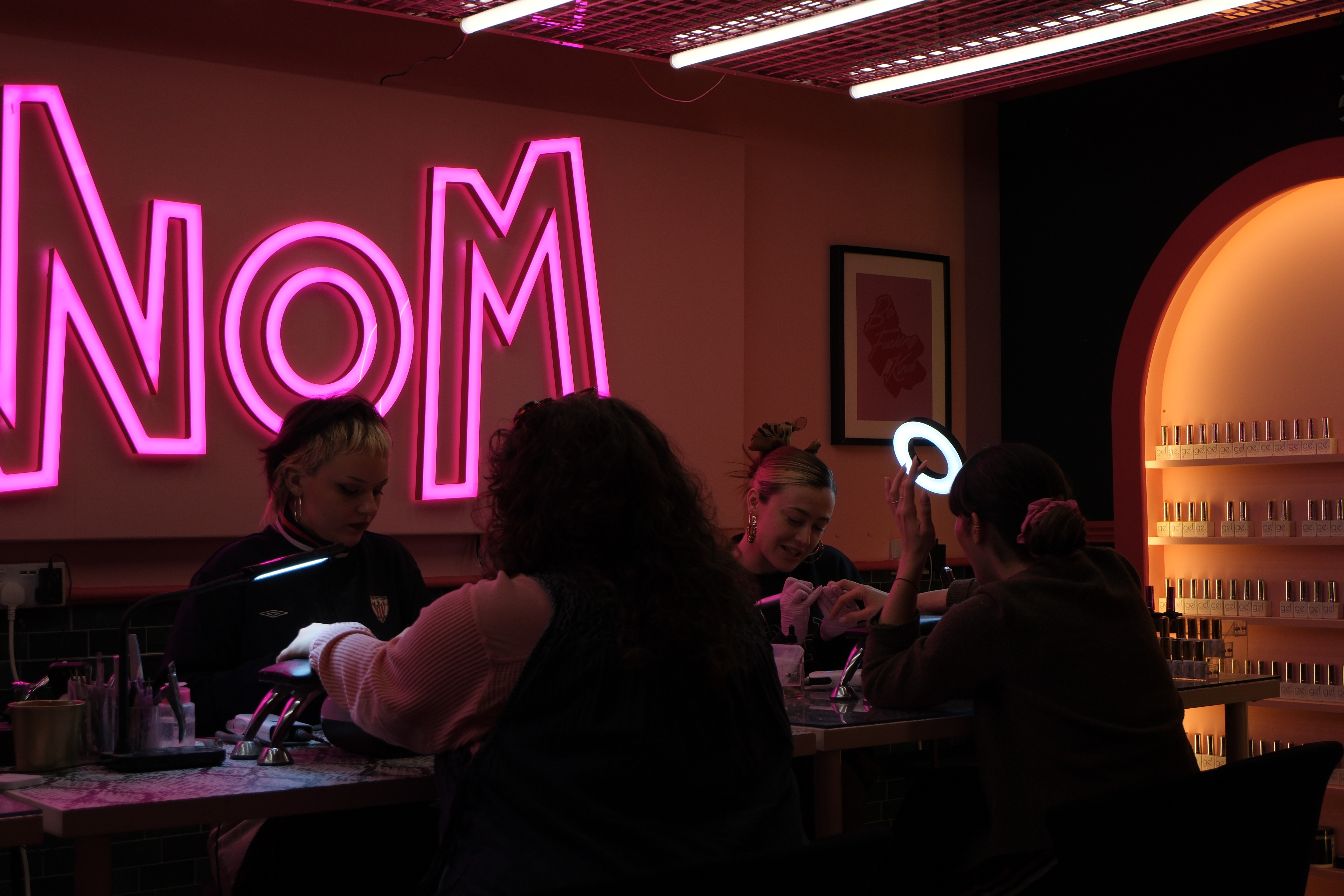
Have you ever felt more at home than when you’re sitting in a nail bar- your favourite song playing, everyone vibing, chatting about your latest boy troubles and suddenly life just feels right? A proper, classic Legally Blonde salon moment.
That’s our culture: creating an environment where you feel part of a community.
So let’s take it back. And we mean all the way back.
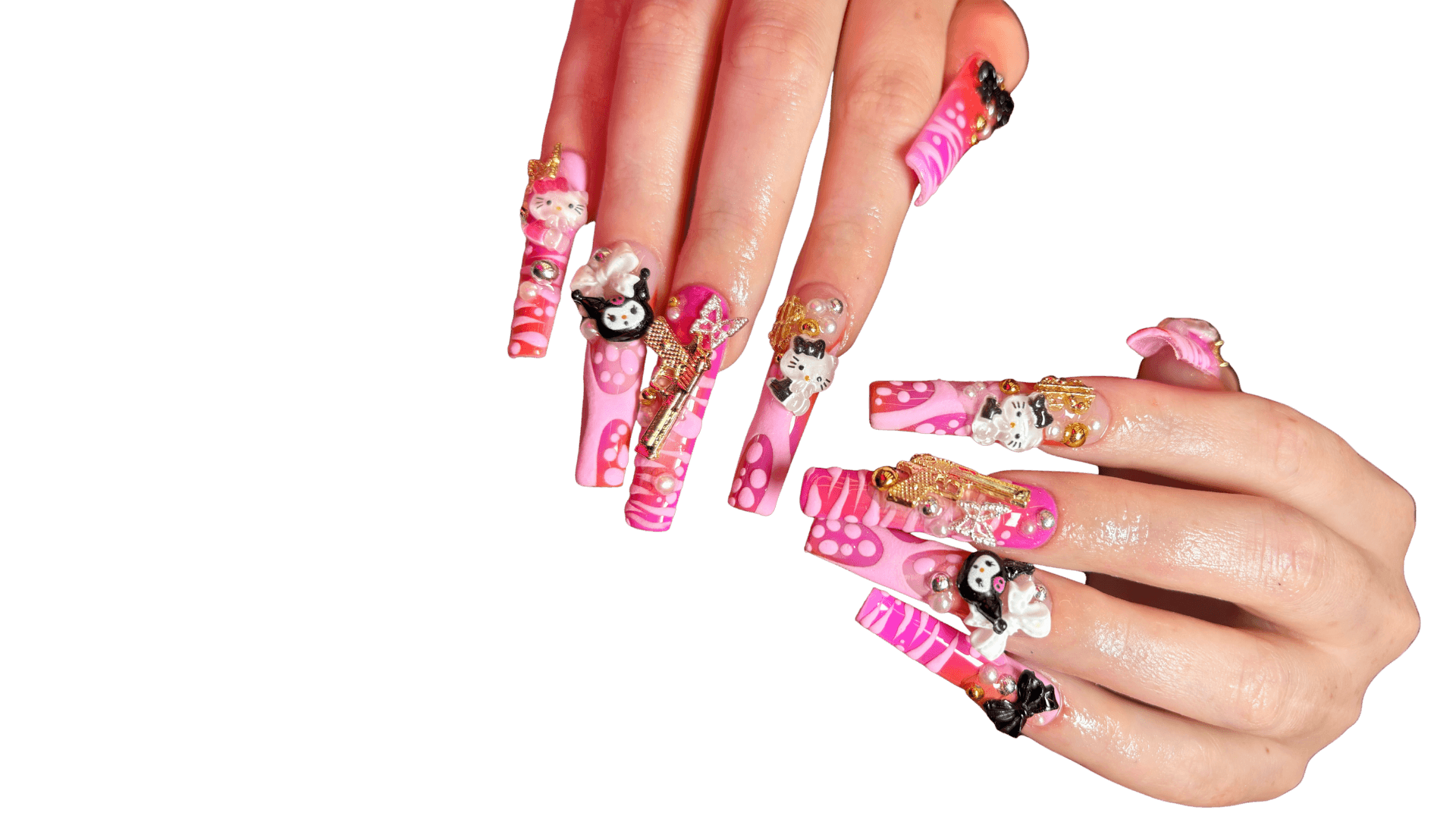
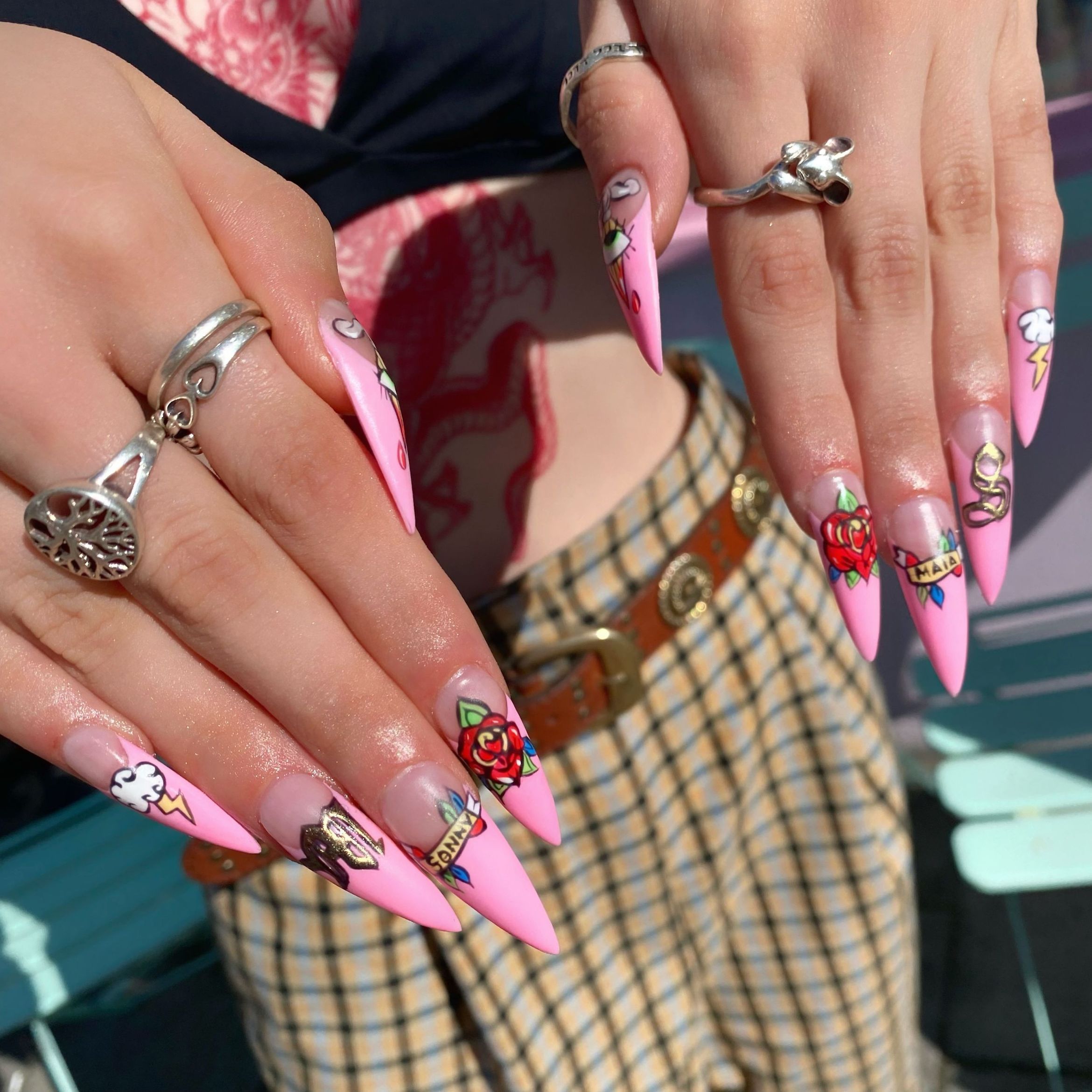
The history of nail art spans millennia. Ancient civilisations like the Egyptians and the Chinese used natural dyes such as henna, crushed minerals, herbal pigments, not just for beauty, but to signify status. That’s right: the badder the nails, the badder the babe. And it’s been that way for thousands of years.
Fast-forward to the 1980s, when nail art truly exploded into the mainstream, driven largely by Black culture and trailblazers like athlete Florence “Flo-Jo” Griffith Joyner. Flo-Jo was known for her extra-long, multicoloured nails, a look so iconic that you can still trace its influence in modern sports and fashion. The girls who know…know.
As salons became social hubs, just like barbershops, the idea of having “Your nail lady” became a cultural cornerstone for women globally. Take New York, for example: Black culture has shaped and popularised modern nail trends for decades, using nails as a form of powerful self-expression and community building. While mainstream beauty conversations often overlook these contributions, Black communities have long cultivated nail art as a symbol of identity, resilience, and economic empowerment.